
Kundalini
All spiritual aspirants ought to know and clearly understand kundalini power. To the intiate trained to use kundalini it comprises the inner path to God. In Kriya meditation, kundalini is the specific and conscious link between individual prana or life energy pervading the human being and cosmic prana, the source and perfection of all beings.
The universe of cosmic energy, or prana, exists in two tendencies: one is unmanifest, the other manifest. The unmanifest exists as the vast potential of formless being out of which the universe arises. It is self-absorbed—that is, with the power to be, but without change. The second tendency of prana is dynamic and creative: that which manifests and which we see as matter, as living organisms, and all that we behold with our minds. Astronomers bring us to the threshold of pure Kriya Yoga philosophy with their assertion that we see only ten percent of our universe. The ninety percent that is imperceptible to our senses exists as potential to be penetrated by our minds. We must bring that light of consciousness within our minds to the similar state of vibration of cosmic light to be aware of the rest of the vast, yet unseen, universe.
This potential energy force of prana is called kundalini. It is neither electric nor is it mechanical. It is not the energy that is normally used by us throughout the day to maintain our expressive and creative life, but it is that reservoir of energy which exists to be drawn through the mind into the human nervous system. That potential kundalini energy of prana within us is not surplus, not dormant, but is as yet unknown. We call it spiritual because it determines the quality of our character, our state of consciousness and our ultimate peace and happiness.
All spiritual aspirants ought to know and clearly understand kundalini power. To the intiate trained to use kundalini it comprises the inner path to God. In Kriya meditation, kundalini is the specific and conscious link between individual prana or life energy pervading the human being and cosmic prana, the source and perfection of all beings.
This cosmic energy is finer than electrons or any other vibrating force identifed in nature. Spirit Absolute vibrating becomes cosmic consciousness, which becoming grosser becomes cosmic energy leading to material vibration and finally to matter itself. Hence the connection from undifferentiated pure consciousness to multifaceted manifestations of matter.
The life energy in the body of each human being is divinely given by the cosmic energy, but it loses its contact the more it becomes individualized, selfish, body-bound.
Your mind is the engine that draws the cosmic prana from the universe of life and directs it within you.
It is helpful to know that the root of the word “kundalini” suggests a reservoir or storehouse for prana. We already know that our individualized self-consciousness is awakened at Muladhar, at the base of the spine and that finally at Sahasraram that individualized consciousness is liberated into cosmic consciousness. In terms of kundalini, the base of the spine is like a reservoir, a lake from which the pranic current is generated. Figuratively speaking, the connection must always be there with a larger source, or the lake would dry up. And so it is that this kundalini, drawing from the potential of infinite cosmic energy, generates the life current in ascending consciousness through the spine until the individual self-consciousness is liberated into the ocean of bliss-consciousness, of infinite existence. The ascending powers of kundalini are divine illumination, self-mastery and love.
Swami Kamalananda
The Mystic Cross
Behold a Light
In our thought and meditation we are gradually revisualizing our life by the light of God. We are building our own spiritual home, a temple furnished and filled with the light of all the noble virtues of our own souls. We are making our own body a temple, a temple in which we meet God.
In our thought and meditation we are gradually revisualizing our life by the light of God. We are building our own spiritual home, a temple furnished and filled with the light of all the noble virtues of our own souls. We are making our own body a temple, a temple in which we meet God.
Meditation creates nothing new; it merely helps us to clear the way, to remove obstacles, to prepare ourselves in a pure and luminous way with pure consciousness as our goal. In revisualizing our life in the light of meditation there is nothing finite, nothing of ego, no desire, no selfishness. We seek life beyond all worlds and consciousness beyond all multiplicity of thought.
All the mystic centers within us are like inner chambers. If the doors remain closed, we pass by them unaware of what sublimity they offer. We pass by them unresponsive to their meaning.
Close your eyes. You may feel something exquisite—a promise of subjective depth, calm and serenity. Now look within, in deeper contemplation of its source. At first you may see nothing. It may seem to you that you are only peering into darkness. You may see nothing and feel nothing, and yet all that has ever been visible to you has come out of that invisible, latent potential.
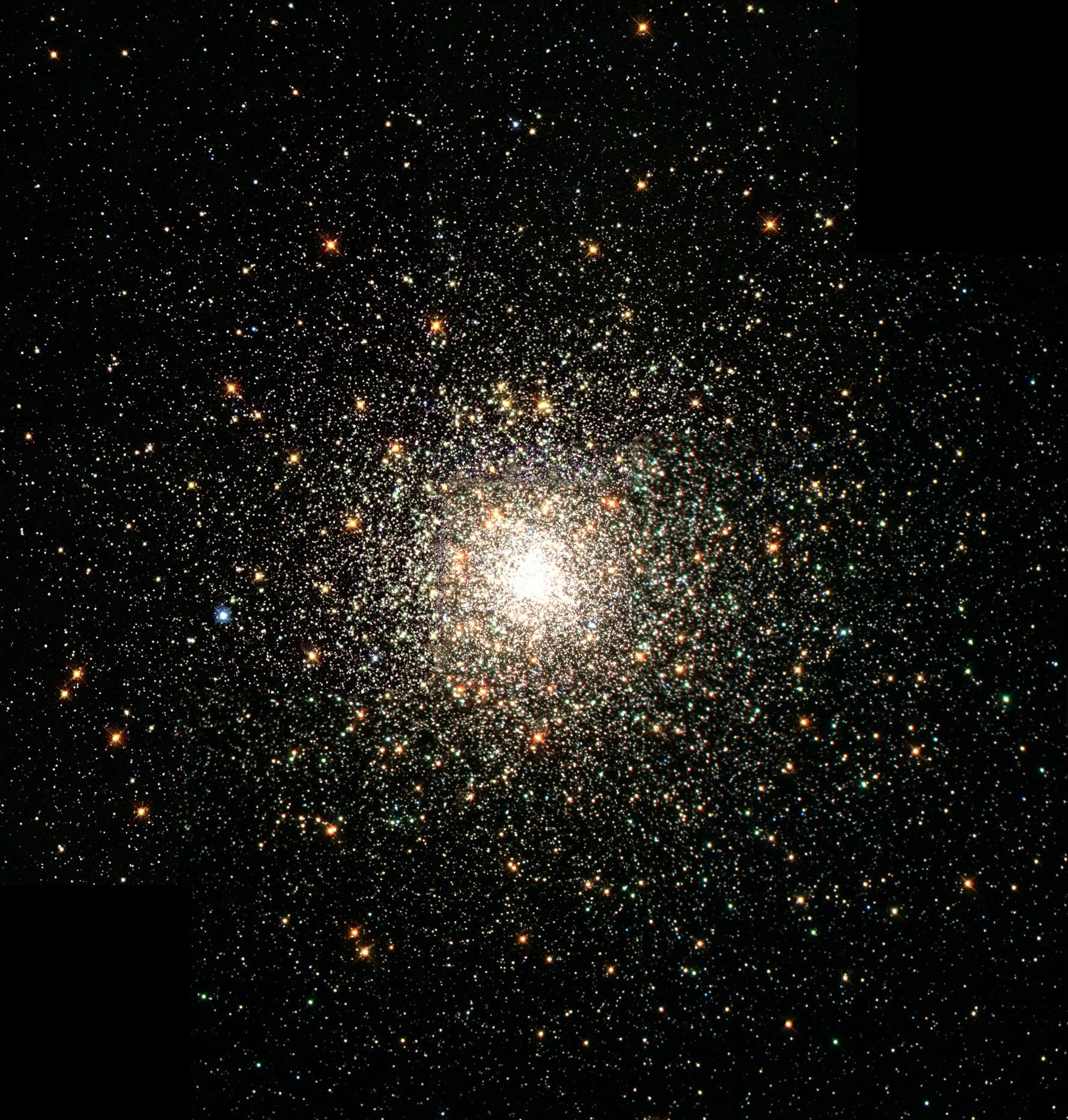
Out of what is apparent darkness to the senses has come your thought, feeling, imagination and all creativity. If you keep peering into that stillness and depth, you will finally behold a light. That light is the light of all worlds, the light that illumines all mansions of consciousness. It is the light of the universe—and also the light of your own self.
In deeper meditation you will behold the source from which all the light you see now has come.
May our desire to meditate lead us into the consciousness of that divine light and energy within us.
By Swami Kamalananda
From The Mystic Cross
City of Light
Serve and guard the light, never allowing doubt, distrust, or despair to creep into your life. Bring the light of goodness and godliness to your own Prag-Jyotis-Pura and keep the lamp lit to draw others to their divine light. Try to see the same light in nature—the light that draws all life together, that emanates from one source and that leads, draws and guides all life onwards.
The world's spiritual lore abounds with the symbols of hope and faith in the light of God, with the recognition that man, too, is led by the light from which the whole universe is projected, from darkness to light, and from the unreal to the Real. Light and illumination is the cosmic message of life. For man, it becomes ultimately a totally subjective experience of life, the supreme realization of God.
The hope and the life of our world is to light the lamp of godliness in our own lives. Mindful of apparent darkness which seems to envelope us we must continue to pray for the light of God to appear. The light will shine within us. All the divine qualities of soul will arise by the power of divine light and truth to radiate their beams of loveliness and draw others to illumine their own divine lamps.
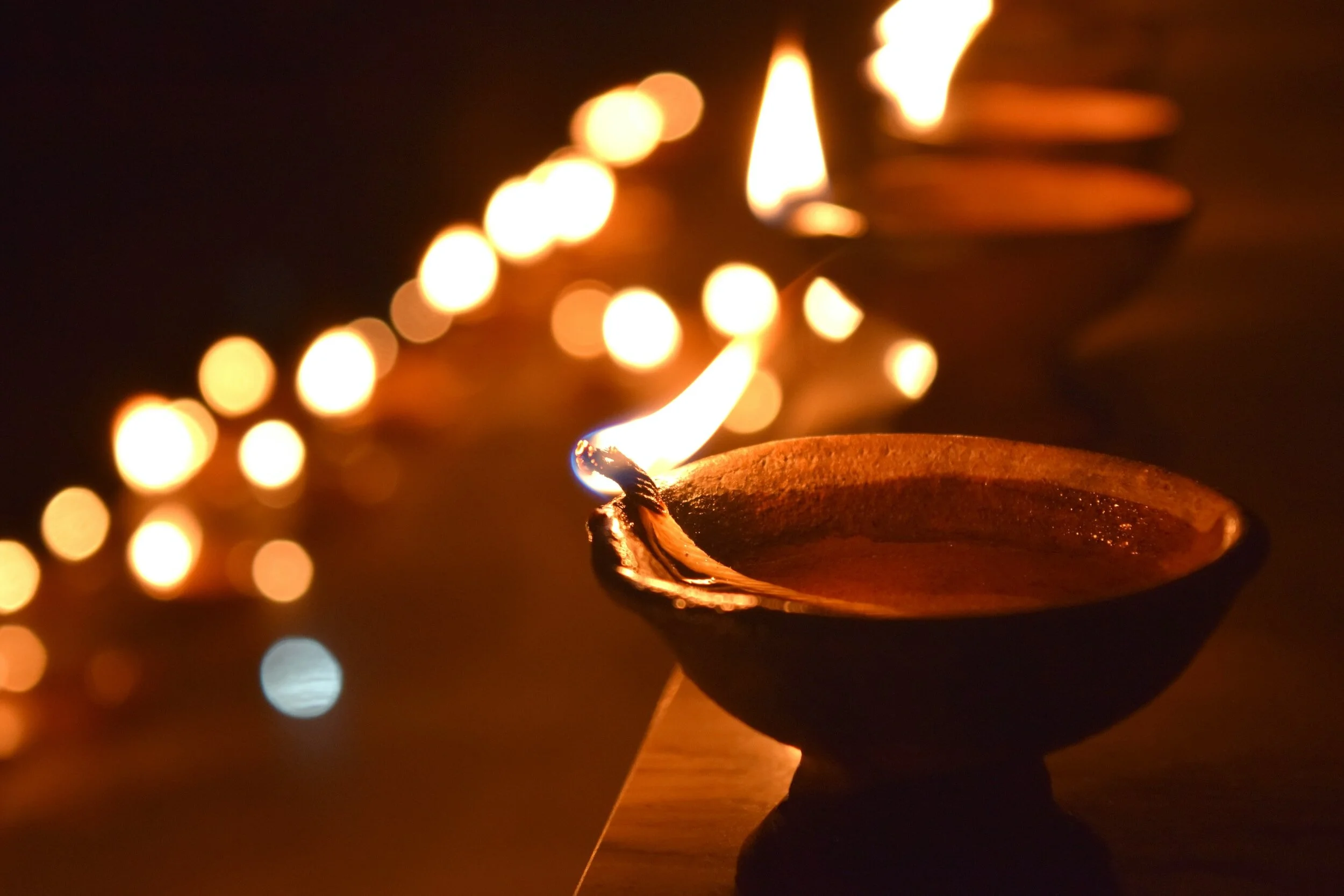
Such is the symbolic meaning of the festival of Diwali with a sublime message of the reality and power of light. (Diwali is from deep, or div—for light, from which comes our word divine.)
Diwali takes place on a dark night in October or November according to the lunar phase, marking the advent of winter. Houses everywhere are illuminated with myriads of twinkling earthenware lamps to welcome the saviour spirit of goodness, righteousness, truth and wisdom. The festival of light derives from the following message:
Narakasura, a demon king, has kept imprisoned 16,100 princesses. Naraksura is the personification of the three forces of darkness (unbridled desire, anger and greed) which lead us away from the light of perfection. He is the ego which seems to hold the divine self in its clutches.
Lord Krishna, in answer to the prayers of the princesses, proceeded to Prag-Jyotis-Pura with his lieutenant Satyabana who slayed Naraksura and freed the princesses. Thereupon, the princesses all requested to marry their saviour, Krishna.
Wherever darkness seems to hold the power of righteousness captive; wherever there develops a philosophy of life with wrong foundation; wherever the awareness of godliness wanes; whenever there is forgetfulness of the forces that make for the real happiness; whenever the forces of illlusiveness and self-destructiveness seem more alluring or formidable than divinity… our divine qualities (the princesses) seek to be saved by divine light (Krishna) as aided by the eternal power of truth (Satyabana). When He is prayerfully sought, God comes into our human life to free our soul, to draw us to oneness with Him. Prag-Joytis-Pura means the City of Light, a reference to Ajna, the chakra of subjective revelation.
The story is founded in the philosophy of creation itself: at a certain period of each cycle of creation the Eternal Dharma appears to be under a cloud. Life seems lustreless, darkened by adharma (that which is contrary to the cosmic good). The powers of light (true perception and right discrimination) of the people become subdued. The light of intelligence grows dim, dominated by the three tendencies of darkness: lust (kama), anger (krodha) and greed (lobha). When kama obscures enlightened desire, there is no chance for reasonable restraint. Unlimited indulgence prevails wantonly. When krodha darkens the higher will, compassion and forbearance give way to ruthlessness and rashness. When lobha clouds the expansive powers of light, selfishness plunders the earth.
Think of nations and civilizations of men in the times when the divine light seems forgotten. We lose our way into unrighteousness, unbridled selfishness and greed.
Then, when the struggle seems hopeless; when, as in the darkest hour before dawn deliverance seems impossible; when godliness and goodness seemed thwarted and submerged—light emerges. It is at such critical junctures that the light of divinity is reborn to guide humanity, to awaken the ignorant and to reveal the Eternal Dharma.
Our life in this world is a process of self-illumination. One must learn to meditate on the life of his soul from this point of view. Serve and guard the light, never allowing doubt, distrust, or despair to creep into your life. Bring the light of goodness and godliness to your own Prag-Jyotis-Pura and keep the lamp lit to draw others to their divine light. Try to see the same light in nature—the light that draws all life together, that emanates from one source and that leads, draws and guides all life onwards. We live in a universe of heavenly light, and a universe of heavenly light lives in us.
Swami Kamalananda
The Mystic Cross

Light of Pure Consciousness
How do we utilize the light of consciousness, the knowing faculty of the soul? We can describe the ways that the light of pure consciousness manifests and grows in “terms of enlightenment.” First of all, the soul, as God in man, is Pure Consciousness, Suddha Chaitannya.
How do we utilize the light of consciousness, the knowing faculty of the soul? We can describe the ways that the light of pure consciousness manifests and grows in “terms of enlightenment.”
First of all, the soul, as God in man, is Pure Consciousness, Suddha Chaitannya. Our soul is from the Light which illumines the whole universe. In its power of self-awareness the soul is pure light. When we speak of consciousness, we usually refer to the buddhi, the knowing faculty of the soul, and the various ways in which the spirit manifests and grows in light.
Intelligence is that light of consciousness which is engaged in the world of name and form. It is the power of knowing which “forms” the infant from his birth, showing as his curiosity, his recognition and his assimilation of what he knows throughout life.
With the light of intelligence one builds his character: Some people’s character lacks lustre—because the quality of materiality of what their intelligences builds makes the mind itself dull (“tamasic”). With others, the light of their intelligence is more active, generating continuous movement of mental power with a sense of continual change, but with no peace or depth. (Their mind is “rajasic.”) In some, the light of their intelligence seems to gather and build a character that is harmonious and luminous, and their minds attain a clear, peaceful (“sattvic”) state.
Ignorance, spiritually speaking, is the mind in darkness. Buddha called ignorance sin, because in ignorance man behaves oblivious to the sacred life of the soul. Christ called the unawakened or ignorant “the dead,” because, unaware of the life of the soul they suffer death. Fearing mortality, the ignorant choose the vain over the real.
Wisdom: Contrary to knowledge, it is the opening of the inner eye to the light of the soul. Intelligence projects the light of the soul into the external world, seeing diversity, name and form. The light of wisdom, however sees unity. Wisdom is illumination by the light within. It permeates the spirit of things, finding the essence of harmony. It ascends to the Truth and the Beauty of God.
There are other terms that belong to the light of wisdom, such as inspiration, intuition, vision and revelation.
Inspiration is the light which arises in purity and joy from the depth of the heart. That light manifests as creations of harmony and beauty in the works of art, literature, music and science—in any work in which one concentrates with great love.
Intuition is the direct light of truth perceived by the mind independent of the processes of logic or reason. Sometimes an object or condition from the external world will trigger the flash of intuition that the mind receives as the direct guidance. All souls are potentially intuitive, but in many the faculty is dormant and undeveloped. Without confidence in the exercise of intuition, many people go against this capacity of wisdom and become closed to its wonderful light. There is a fineness and spiritual responsiveness in those souls who have developed their power of intuition.
Vision is the light-beam of wisdom which peers into the unfolding cosmic plan. Its focus is directed by the ideal of Perfection which sees limited conditions as they exist in Truth. Vision has a purely beneficent power to influence the course of unfolding life.
Revelation is the illumination of soul entirely from within. It is a light entirely unknown, lost, to the external world. For this light alone, the soul has come. To lift the veil of creation and to disclose pure light our soul has come.
From The Mystic Cross
By Swami Kamalananda